
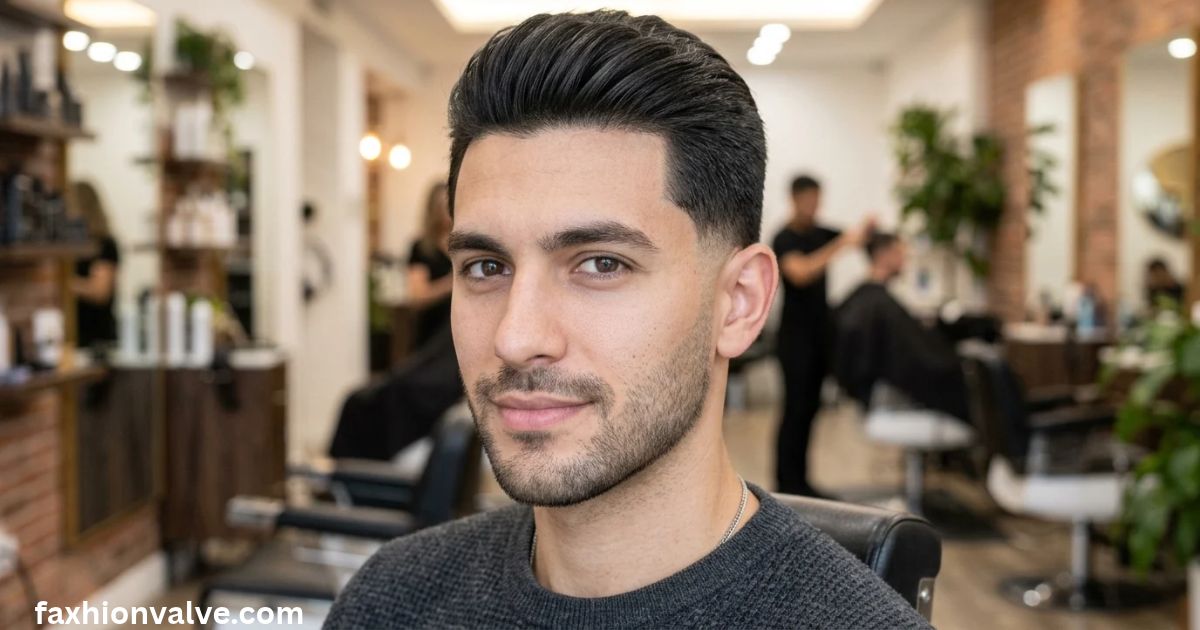
A low taper fade is a haircut where the sides and back get shorter in a smooth gradient, starting just above the ear and ending at the neckline.
It keeps the look clean without a harsh contrast, which makes it one of the most reliable cuts for straight hair.
Straight hair shows every line. That is both the challenge and the reward. A rough blend looks obvious, but a well-cut low taper fade looks sharp from every angle.
What is a low taper fade?
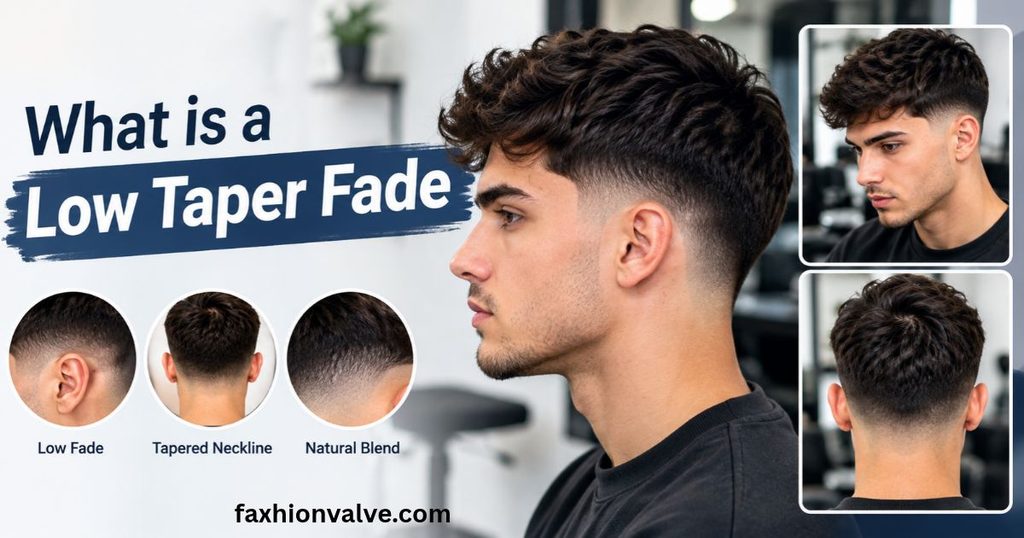
A low taper fade is a men’s haircut where the hair on the sides and back is cut progressively shorter toward the skin.
The fade starts low, around the temples and just above the ears, then curves down to the nape of the neck.
The word “low” tells you where the shortest part sits. Because the fade stays close to the hairline, most of the side hair keeps its length. That gives the cut a soft, tidy finish.
Key features of a low taper fade:
- The fade begins just above the ear and follows the natural hairline
- The shortest point is at the sideburns and neckline
- The sides keep more length than in a mid or high fade
- The top can be left short, medium, or long
- The overall effect is neat, not dramatic
How does a low taper fade work step by step?
Barbers use clippers with guard numbers to create the gradient. A typical process looks like this:
- The barber outlines the hairline around the ears and neck
- The bottom section is cut short, often with a #0.5, #1, or #2 guard
- Guards are stepped up (#2, #3, #4) to blend upward
- Scissors or shears finish the top and the blend line
- The edges are cleaned with a trimmer or razor
The exact guard numbers depend on how short you want the sides and how much skin you want showing at the bottom.
Why straight hair suits this cut
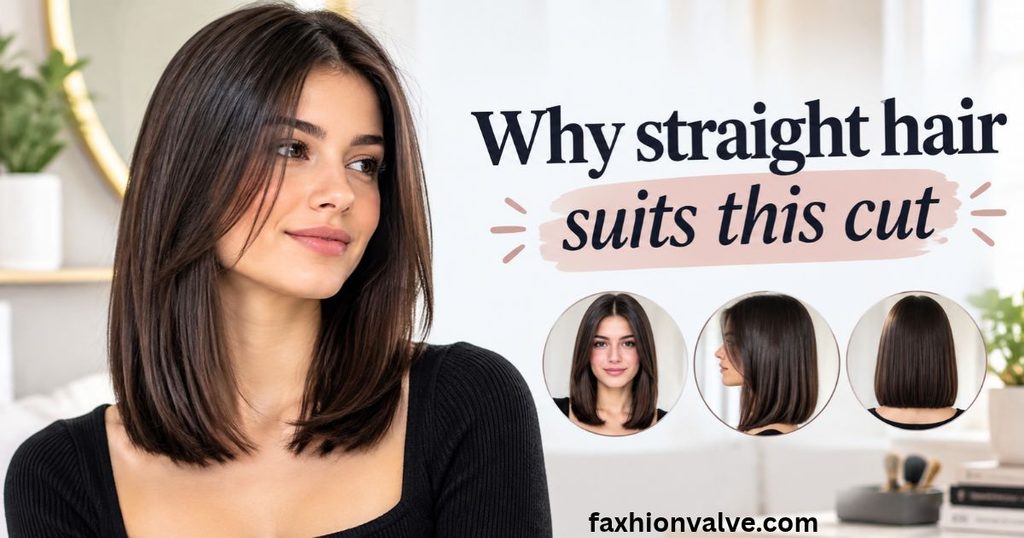
Straight hair lies flat and reflects light evenly. That means clean shapes stand out, and a low taper fade gives you exactly that clean shape.
Here is why the pairing works so well:
- Smooth blending: Straight strands transition evenly from short to long, so the gradient looks seamless.
- Easy top styling: Straight hair responds well to a comb, brush, or blow dryer, so the top is simple to shape.
- Sharp edges: The cut defines the hairline, which gives straight hair structure it can lack on its own.
- Less frizz to fight: The fade area stays neat even as it grows.
There is one thing to watch. Straight hair, especially thick straight hair, can grow outward and look bulky on the sides within two weeks. A taper cuts that bulk down and keeps the silhouette narrow. Fine straight hair has the opposite concern. It can look flat on top, so the top needs some layering for lift.
Low taper fade vs low fade vs taper

These three terms get mixed up constantly. Barbers often use them loosely too, so it helps to know the real differences.
| Feature | Low Taper Fade | Low Fade | Classic Taper |
| Starting point | Just above the ear | Just above the ear, slightly higher arc | Mainly at the neckline and sideburns |
| How short it gets | Short, often to skin at the bottom edge | Very short, often to skin | Slightly shorter, rarely skin |
| Contrast | Medium | High | Low |
| Side length | More length kept | Less length kept | Most length kept |
| Typical upkeep | Every 3 to 4 weeks | Every 2 to 3 weeks | Every 4 to 6 weeks |
| Best for | Balanced, modern look | Bold, high contrast look | Conservative, office look |
In short: a taper is about a gradual change in length. A fade is about hair disappearing into skin. A low taper fade combines both, with the gradient kept low on the head.
If you want the softest result, ask for a classic taper. If you want a crisp edge with some contrast, go with the low taper fade. If you want a dramatic skin blend, choose a low skin fade.
Best top styles for straight hair in 2026
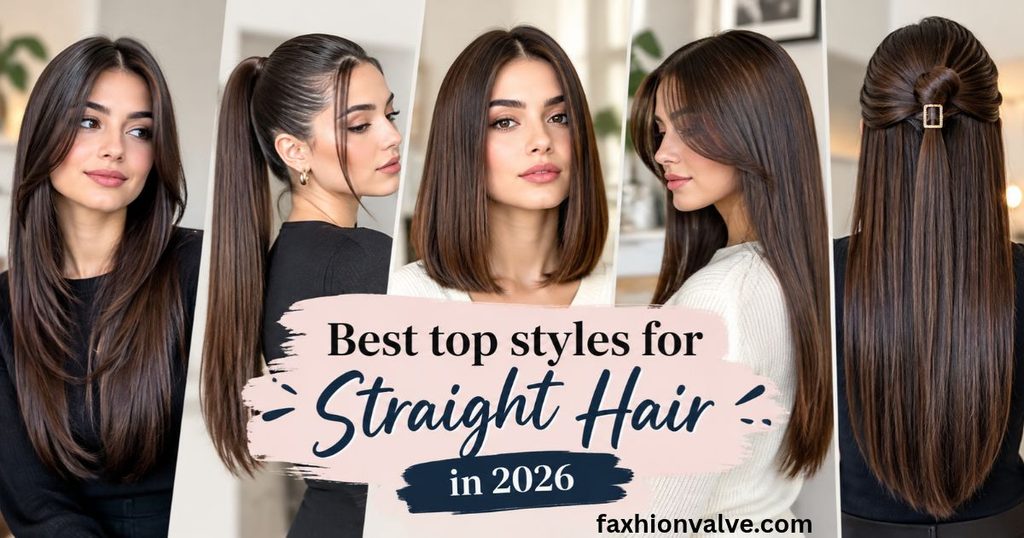
The fade is only half of the haircut. The top decides the mood. These are the styles that work best with straight hair this year.
1. Textured crop
Short, choppy layers on top with a light fringe. It is low effort and works with a matte clay. Straight hair gets visible texture when the barber point cuts the ends.
2. Side part
Classic and professional. A clean part line with a low taper fade looks sharp in an office or at a wedding. Use a medium hold pomade for a polished finish.
3. Slick back
Longer top hair combed straight back. Straight hair does this better than any other texture because it lies flat naturally. Best with a water-based pomade.
4. Quiff
Extra length at the front, styled upward and back. It needs a blow dryer and a strong paste for volume. Straight, thick hair holds a quiff well.
5. Comb over
A deep side part with the top combed across. It stays popular and pairs naturally with a tapered side.
6. French crop
Short top with a straight fringe across the forehead. It suits men who want a very low maintenance style.
7. Long and loose (the 2026 favorite)
Longer, natural, slightly tousled top hair with a tight low taper fade at the sides. The contrast between loose top and clean sides is a big trend right now. It works best on healthy, well-conditioned hair.
Best face shapes and hair types
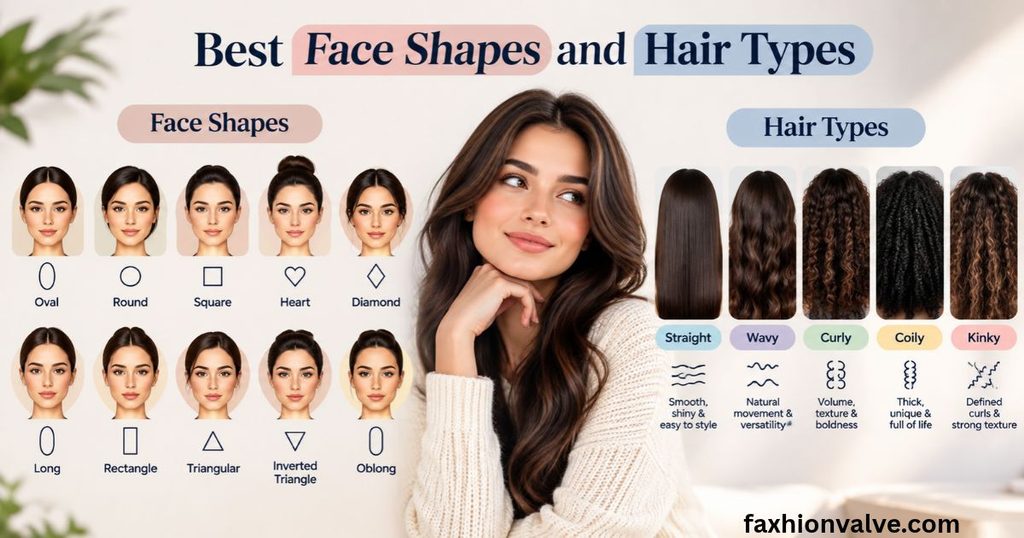
A low taper fade is flexible, but a few small adjustments make it work even better for your face.
Which face shapes suit a low taper fade?
- Oval: Almost any top style works. Keep it balanced.
- Round: Add height on top, like a quiff or textured crop, to lengthen the face.
- Square: A softer top, like a side part, balances the strong jawline.
- Oblong: Keep the top shorter and avoid too much height. A fringe helps.
- Heart: Add some length on top and keep the sides clean to balance a narrow chin.
- Diamond: A fringe or side part softens the cheekbones.
Which straight hair types work best?
| Hair Type | What to Know | Best Top Style |
| Fine straight hair | Can look flat, needs lift | Textured crop, short quiff |
| Thick straight hair | Grows outward fast, needs thinning | Side part, slick back |
| Coarse straight hair | Holds shape well, can be stiff | French crop, comb over |
| Thinning straight hair | Needs shape to look fuller | Short textured top, low taper |
If you have a receding hairline or a high forehead, a low taper fade is still a good choice. The soft gradient draws attention away from the hairline and toward the overall shape.
How to ask your barber for a clean low taper fade
Most bad haircuts come from unclear communication, not bad barbers. Be specific and bring a photo.
Use this simple script:
“I would like a low taper fade. Start the fade just above my ear, go down to a #1 at the bottom, and blend up to a #3. Leave about three inches on top. Keep the neckline natural.”
What to tell your barber
- The fade height: Say “low” and point to just above your ear.
- The bottom length: Choose skin, #0.5, #1, or #2.
- The top length: Give a measurement in inches or show a photo.
- The neckline shape: Natural (tapered), rounded, or squared.
- The sideburns: Keep them short, medium, or full.
- The style: Mention how you part and style your hair daily.
What to avoid saying
- “Just clean it up” (too vague)
- “Same as last time” (unless the last cut was perfect)
- “Short on the sides” (this could mean anything)
A reference photo of your own hair type is best. A photo of curly hair will not translate to straight hair, so pick one that matches your texture.
Short, medium, and long variations
The same fade can look completely different depending on the top length.
Short variation (under 1.5 inches)
A clean, sporty look. Works well with a buzz cut top or a very short crop. Almost no styling needed. Washing and drying is enough.
Medium variation (1.5 to 3 inches)
The most popular choice. Enough length for a side part, quiff, or textured crop. Styling takes about two to three minutes.
Long variation (3 inches and above)
Needs more care but offers the most style options. Works for slick backs, longer comb overs, and the loose top look. Layering by the barber prevents the top from looking heavy.
| Length | Styling Time | Haircut Frequency | Best Product |
| Short | Under 1 minute | Every 2 to 3 weeks | Light paste |
| Medium | 2 to 3 minutes | Every 3 to 4 weeks | Matte clay |
| Long | 5 minutes | Every 4 to 5 weeks | Pomade or cream |
How to style it
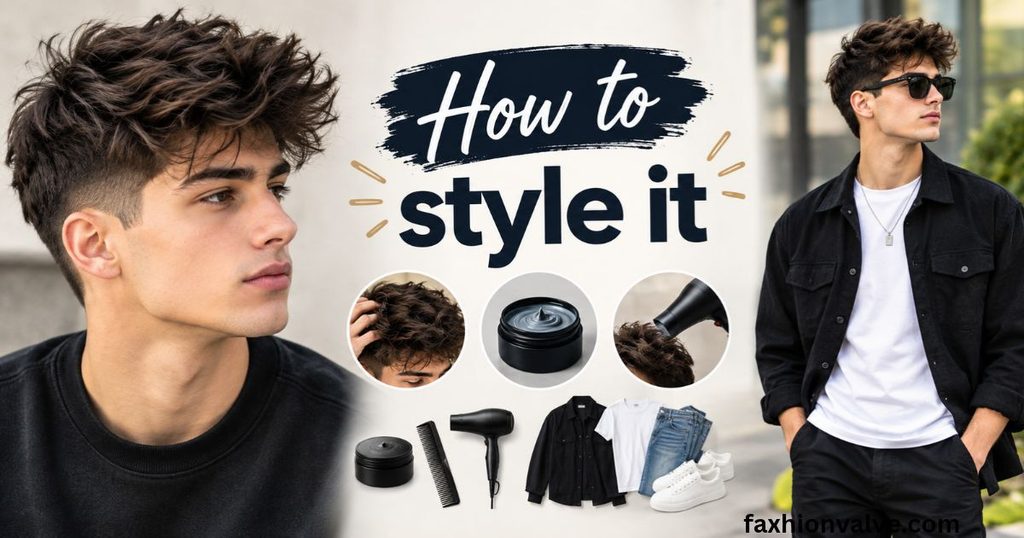
Good styling takes about five minutes once you know the steps.
How to style a low taper fade on straight hair
- Start with clean hair. Wash with shampoo and a light conditioner.
- Towel dry gently. Pat the hair. Do not rub, as it roughens the cuticle.
- Apply a heat protectant or sea salt spray if you plan to blow dry.
- Blow dry on medium heat. Direct the airflow in the direction you want the hair to sit.
- Warm a small amount of product in your palms (a coin-sized amount is enough).
- Work it through from back to front. Shape the fringe last.
- Finish with a comb or fingers depending on the look you want.
A few pro tips:
- Less product is almost always better on straight hair, since it weighs down quickly.
- Use a cool shot on your dryer at the end to lock the shape.
- If your hair falls flat by noon, add a light texture spray instead of more pomade.
Best products for straight hair

Straight hair has a smooth surface, so it can look greasy if you choose a heavy product. Match the product to the finish you want.
| Product | Finish | Hold | Best For |
| Matte clay | Natural, flat | Strong | Textured crop, quiff |
| Light paste | Soft, natural | Medium | Short and medium styles |
| Water-based pomade | Shiny, neat | Medium to strong | Side part, slick back |
| Texture powder | Matte, volume | Light | Fine, flat hair |
| Sea salt spray | Beachy, gritty | Light | Messy, casual looks |
| Hair cream | Soft, healthy | Light | Long hair, dry ends |
How to choose:
- Fine hair: texture powder or sea salt spray
- Thick hair: matte clay or strong paste
- Dry hair: cream or a water-based pomade
- Oily scalp: matte products and a clarifying shampoo once a week
Avoid heavy wax and gel with high alcohol content on fine hair. They can leave residue and make the cut look dull over time.
How to maintain it at home
A low taper fade looks best in the first two weeks. After that, the gradient softens and the neckline grows out. Good home care keeps it looking fresh until your next visit.
How often should you get a low taper fade?
Most men need a trim every 3 to 4 weeks. If you want it razor sharp, go every 2 to 3 weeks. If you prefer a softer, grown-out look, 4 to 6 weeks is fine.
Simple home care routine
- Wash 2 to 3 times a week. Daily washing strips natural oil.
- Use a gentle shampoo. Add a conditioner on the lengths, not the scalp.
- Brush or comb daily. This spreads scalp oil and keeps hair shiny.
- Clean up the neckline carefully. Use a trimmer for the back of the neck only if you have steady hands. Do not touch the fade line.
- Keep the scalp healthy. Exfoliate gently once a week if you see flakes.
- Sleep on a smooth pillowcase. It reduces flattening and frizz.
Can you touch up a low taper fade yourself?
You can tidy the sideburns and the neckline between visits. But blending the fade itself takes experience. A bad blend at home is very hard to fix, so leave the gradient to your barber.
Common mistakes to avoid
Even a good cut can look bad if one of these slips in.
- Choosing a fade that is too high. A high taper on a round face can look severe. Start low if you are unsure.
- Skipping the consultation. Take two minutes to explain your style, job, and daily routine.
- Using too much product. Straight hair gets greasy quickly. Start with a pea-sized amount.
- Ignoring the top. A great fade with a flat, shapeless top looks unfinished.
- Waiting too long between cuts. The blend turns fuzzy and loses its purpose.
- Washing every day. It dries out the scalp and makes hair frizzy at the ends.
- Copying a photo of a different hair type. Curly and wavy styles do not translate to straight hair.
- Cutting corners on neckline shape. A blocky neckline grows out poorly. A tapered one looks neat for longer.
Frequently Asked Questions
What is a low taper fade haircut?
It is a haircut where the sides and back gradually shorten, starting low just above the ears. The shortest point sits at the sideburns and neckline.
Is a low taper fade good for straight hair?
Yes. Straight hair blends evenly and shows clean lines, so the gradient looks smooth and sharp. It also reduces bulk on the sides.
What is the difference between a low taper and a low fade?
A low taper keeps more length and creates a soft gradient. A low fade usually cuts closer to the skin and creates more contrast.
How long should the top be for a low taper fade?
Anywhere from a buzz cut to four inches or more. Two to three inches is the most versatile length for straight hair.
How often should I get a low taper fade?
Every 3 to 4 weeks keeps it neat. Stretch to 5 or 6 weeks if you want a softer, more natural look.
What clipper guard is used for a low taper fade?
Barbers commonly start at a #1 or #2 at the bottom and blend up to a #3 or #4. Many also use a #0.5 or skin finish for a sharper edge.
Conclusion
A low taper fade is one of the easiest ways to look sharp without looking overdone. It suits straight hair because it adds clean structure, controls bulk, and works with almost any top style.
To get it right, be specific with your barber, choose a top length that fits your routine, and use the right product for your hair type. Keep up regular trims, wash gently, and avoid the common mistakes listed above.

Theo Grant is a hairstyle writer and content creator at Faxhion Valve, sharing practical insights on haircuts, styling ideas, and evolving hair trends. His approach focuses on clear research, useful guidance, and accessible information, helping readers explore hairstyles, understand styling options, and discover inspiration for their personal look.